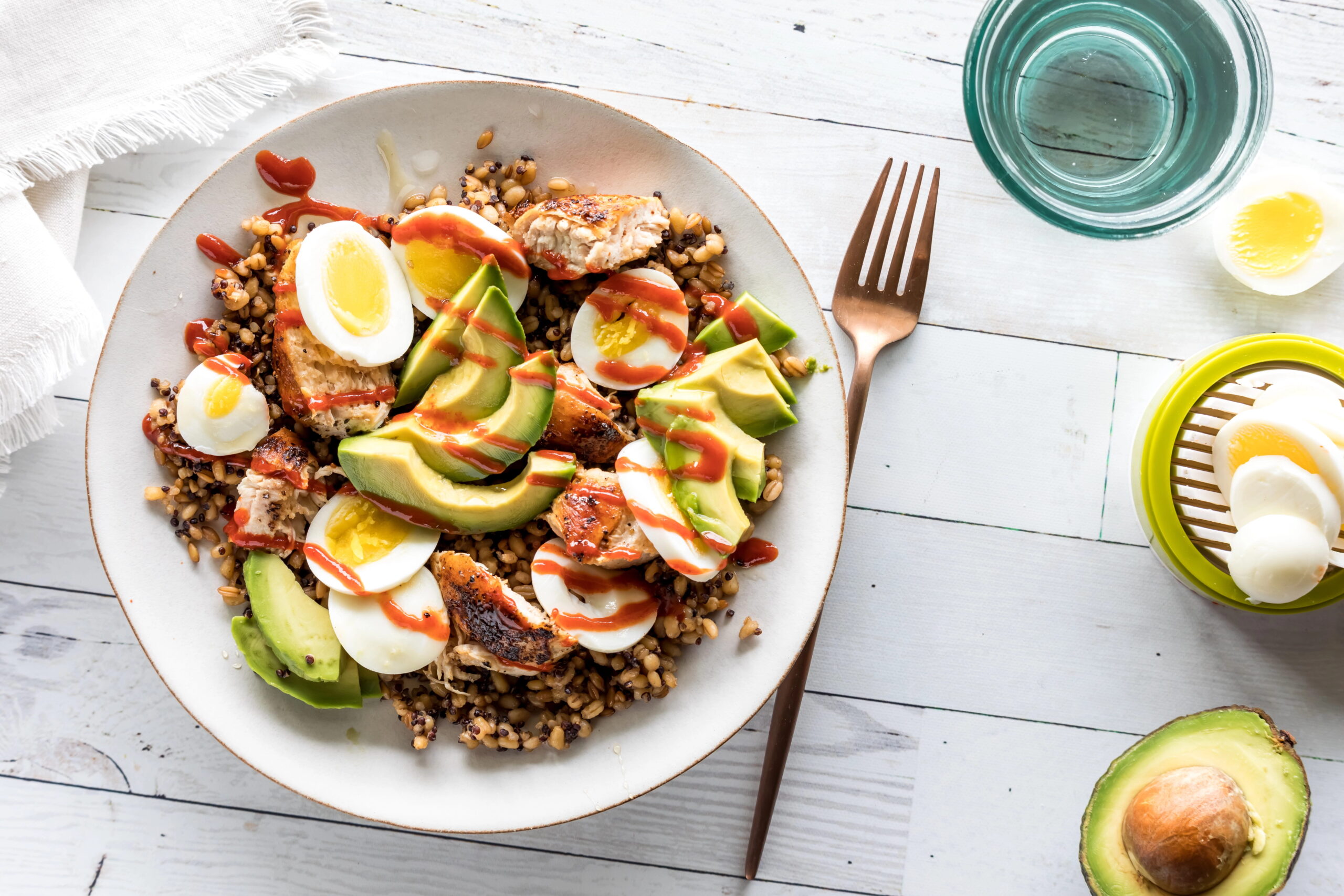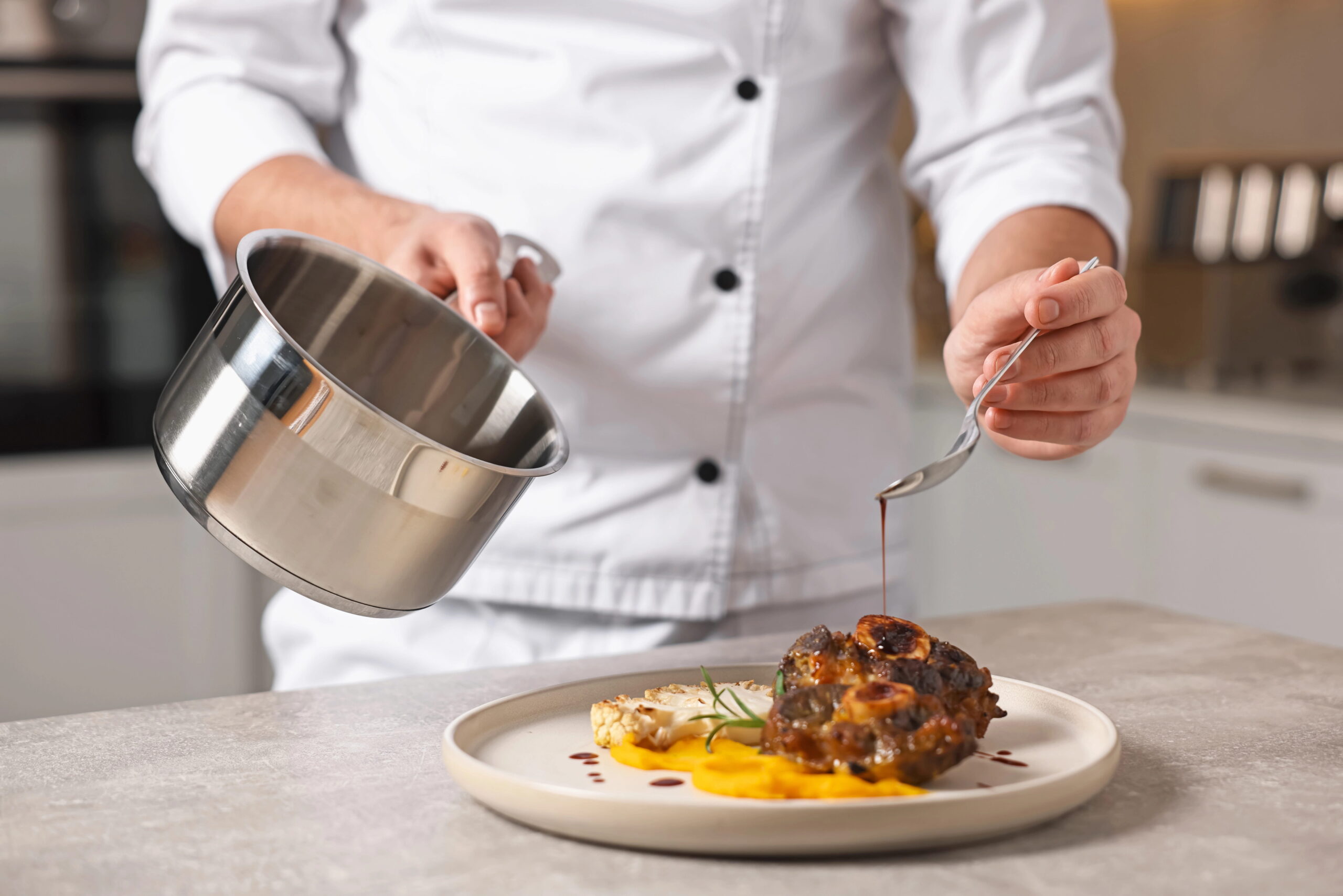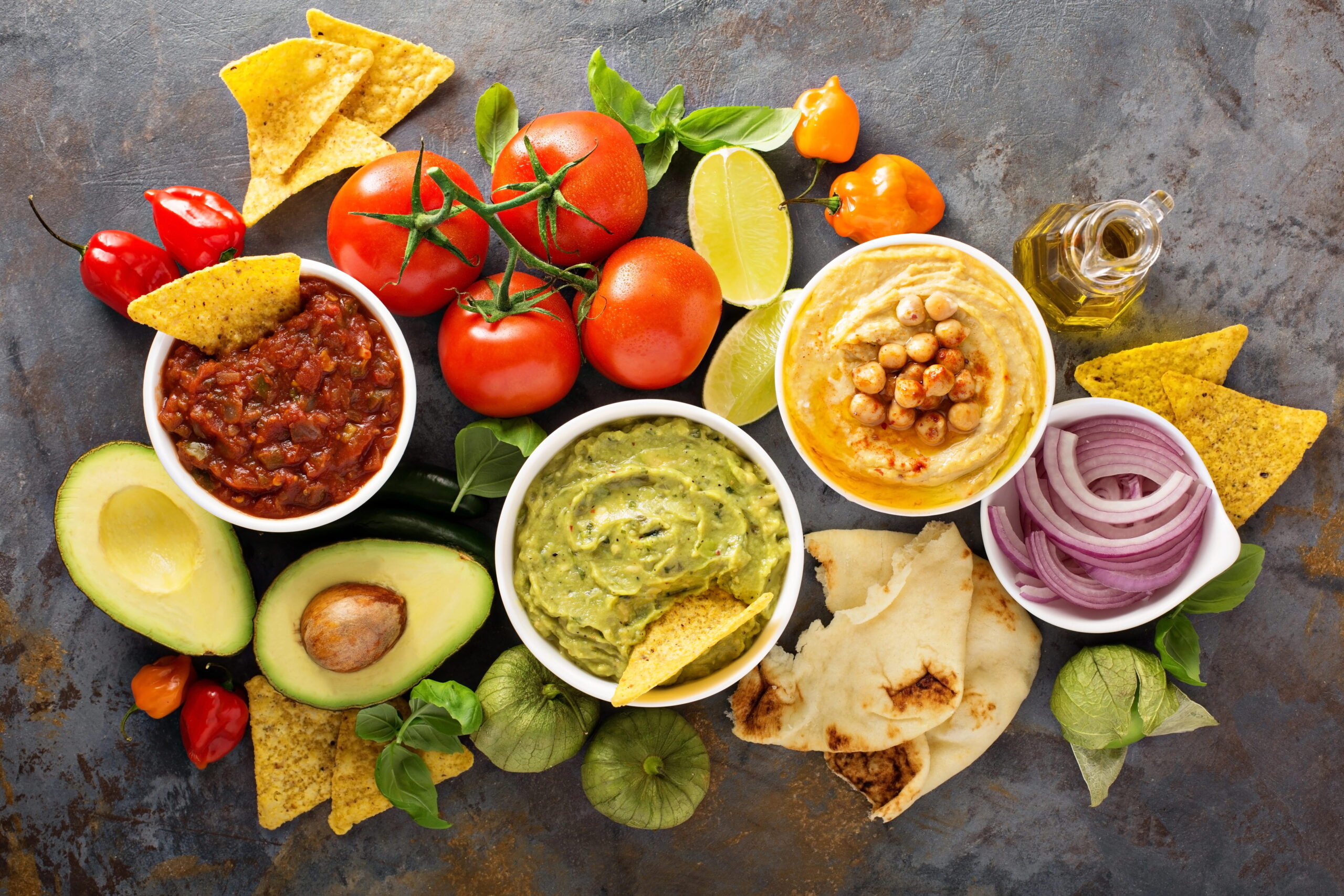
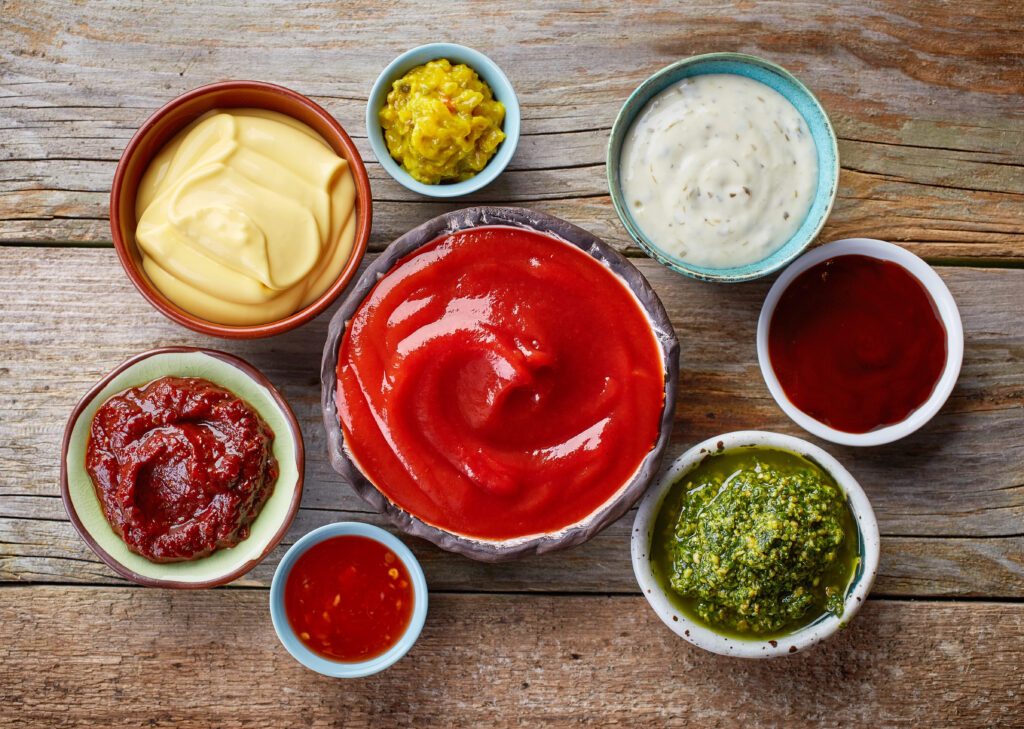
We’re all about bold sauces, and we’re about to make a bold statement. (Don’t worry; we have the data to back it up.) Ready? Here goes: In today’s crowded QSR market, sauces matter more than ever. Sauces are no longer a supplementary sidekick or a ho-hum bonus item. For QSRs, sauces are strategic decision drivers, with as many as 34% of consumers considering sauce options when choosing a restaurant (Technomic). Whether dipped, drizzled, or served atop a nutrient-packed bowl, the right sauce has the potential to completely redefine your QSR brand’s identity. That’s powerful.
Custom sauces are one of the fastest ways for QSR operators to refresh core menus without adding operational complexity, offering a low cost with high impact. Below, we’ve outlined five essential sauces for QSR core menus in 2026.
What Defines a “Core Menu Sauce” Today?
A core menu sauce is a foundational, signature sauce used across multiple permanent menu items. (Sauces can, of course, be a gateway to excellent LTOs – but for now, we’ll stick to the core offerings.) A solid core sauce needs a few things to really deliver:
- Versatility: Core sauces should work seamlessly across multiple proteins (think chicken or beef) and formats (think drizzle or dipping cup). Cross-utilization allows for operational ease, reducing the number of SKUs across the board.
- Craveability: A successful core sauce should be a repeat purchase driver. Consumers should want to return specifically for another taste of your signature sauce.
- Familiarity, with a Twist: A core sauce should toe the line between comforting and compelling. In the QSR space, this might look like a classic Ranch Dressing with a touch of Habanero spice for intrigue.
Given these criteria, here are the five sauces every QSR needs as part of a core menu:
Ranch Reigns Supreme
Why we love it: Ranch remains America’s most versatile and familiar dip, but consumers are ready to take things to the next level. We’re seeing QSRs expand this fan-favorite into hybrids like Habanero Ranch or Sriracha Ranch for comfort with a touch of pizzazz. That base SKU (original Ranch), plus just one or two flavor extensions, can instantly modernize your entire menu.
Applications: Ranch pairs perfectly with chicken, fries, wraps, and also works well as a pizza drizzle.
BBQ with a Twist
Why we love it: BBQ sauce remains a staple for good reason: It’s widely loved, highly versatile across proteins, and easy to elevate with premium flavor profiles like bourbon or fruit-forward blends. It combines comfort, heat, nostalgia, and a hint of indulgence for a versatile core sauce that inspires consumer loyalty. And, by reinventing BBQ sauce with regional and global influences like mango or Mexican pasilla, QSRs can stay ahead of the demand for unexpected flavors.
Applications: Both traditional and elevated BBQ variations are primed for protein – burgers, chicken, and ribs, for example – and sandwiches.
Buffalo Brings the Heat
Why we love it: Hot sauces, including tangy Buffalo, are absolutely essential across chicken dishes. Wings, tenders, and crispy sandwiches are all opportunities to define a QSR brand’s heat positioning. If you want consumers to associate your brand with bold, spicy flavor, this is the way to do it. QSR brands across the market are catching on, too. Spicy sauces like Nashville Hot are seeing major growth on menus. They’re exceptionally popular among younger consumers seeking bolder, more intense flavor experiences.
Applications: Spice up wings, sandwiches, loaded fries, or wraps.
Sweet + Spicy = Swicy
Why we love it: It’s sweet. It’s spicy. It’s “swicy,” and it appeals to both mainstream and more adventurous consumers. Take Mango Habanero, for example, which has grown 103% on menus in recent years. Swicy flavors like this one continue to lead QSR flavor innovation, offering a versatile profile that feels both familiar and exciting.
Applications: Chicken, bowls, sandwiches, and dipping sauces could all use a little more Swicy.
Creamy Aioli for Premium Power
Why we love it: Premium mayos like aioli are an easy, delicious way for QSRs to signal craftsmanship. Garlic Aioli, Chipotle Aioli, and other flavored mayos all elevate a dish’s perceived quality, creating premium builds with relatively minimal cost increases.
Applications: Flavored mayos can bridge QSR and fast-casual expectations, lending a touch of premium flair to burgers, sandwiches, wraps, and fries.
Understanding Key Sauce Trends
Ultimately, each of these essential sauces come down to a few industry themes:
- Familiar with a Twist: Core sauces aren’t being replaced by jazzy LTOs. They’re not disappearing; they’re just evolving, like the case of Habanero Ranch taking the place of traditional Ranch.
- Heat + Sweet = Growth Engine: Like we mentioned above, spicy-sweet flavors are some of the most important flavor drivers in QSR today. This essential combo has its place across categories, too: for example, a fiery Maple BBQ sauce.
- Global Influence, Low Risk: Consumers continue to crave global flavors, but you don’t have to introduce an entirely new SKU to fill that gap. International riffs on core sauces – Korean BBQ, for example – effortlessly build on core SKUs.
- Operational Efficiency Wins: When one sauce has multiple uses across dishes and formats, that’s a major win for operational efficiency.
Today’s winning QSR menus aren’t built on risky new products or complicated SKUs. They’re built on smarter sauce strategies. To make them work, you need a partner in custom sauces. At Giraffe Foods, our industry experts can support your QSR brand through flavor ideation and innovation, cross-utilization, and format consulting, including bulk and retail-ready options.