First came the Stone Age. A little later, the Bronze Age. Now, we’re living in the Bowl Age, and it’s undeniably delicious.
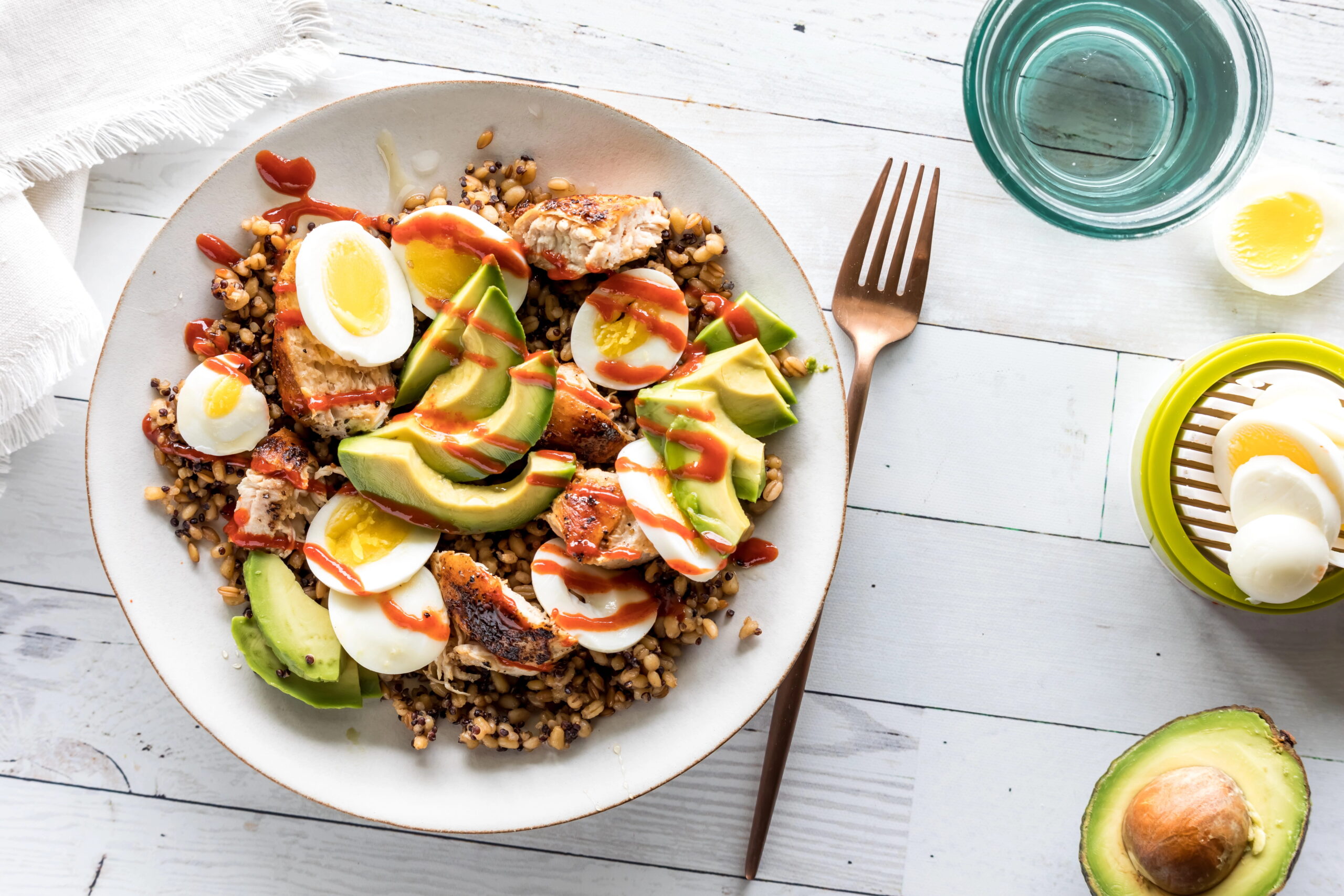
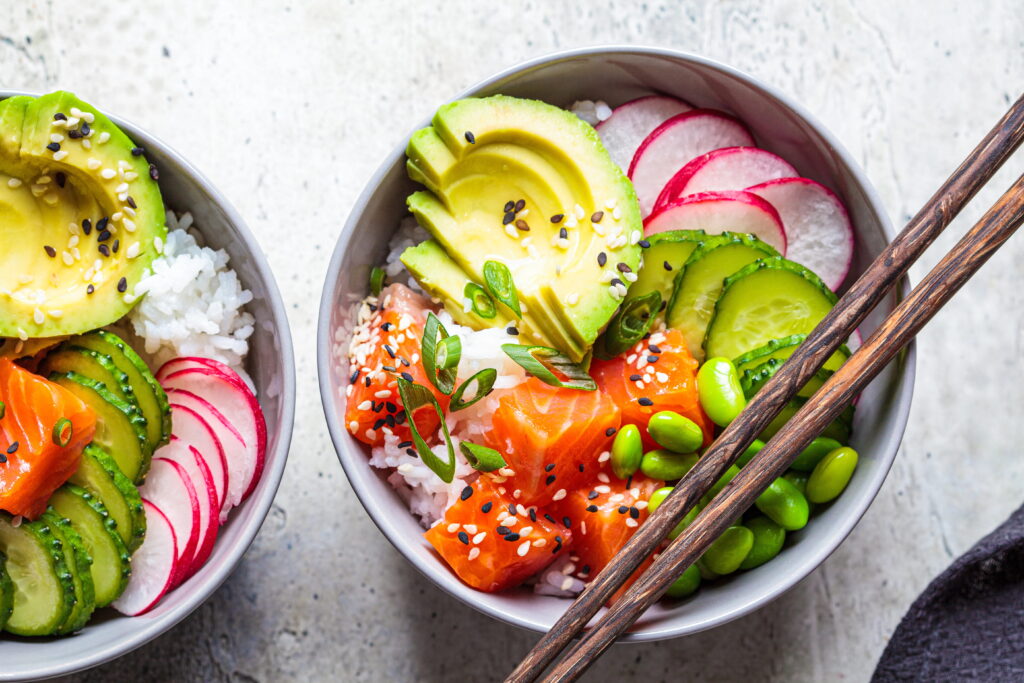
Bowl Culture – the demand for all-inclusive meals like hearty grain bowls, fresh poke bowls, protein-packed burrito bowls, fruity açaí bowls – began as a response to the wellness craze. Consumers could pack every major food group into a single bowl, grabbing a nourishing, convenient meal for lunch or dinner. But today, convenience and nutrition aren’t enough to capture foodies’ attention. Today, it’s all about taste.
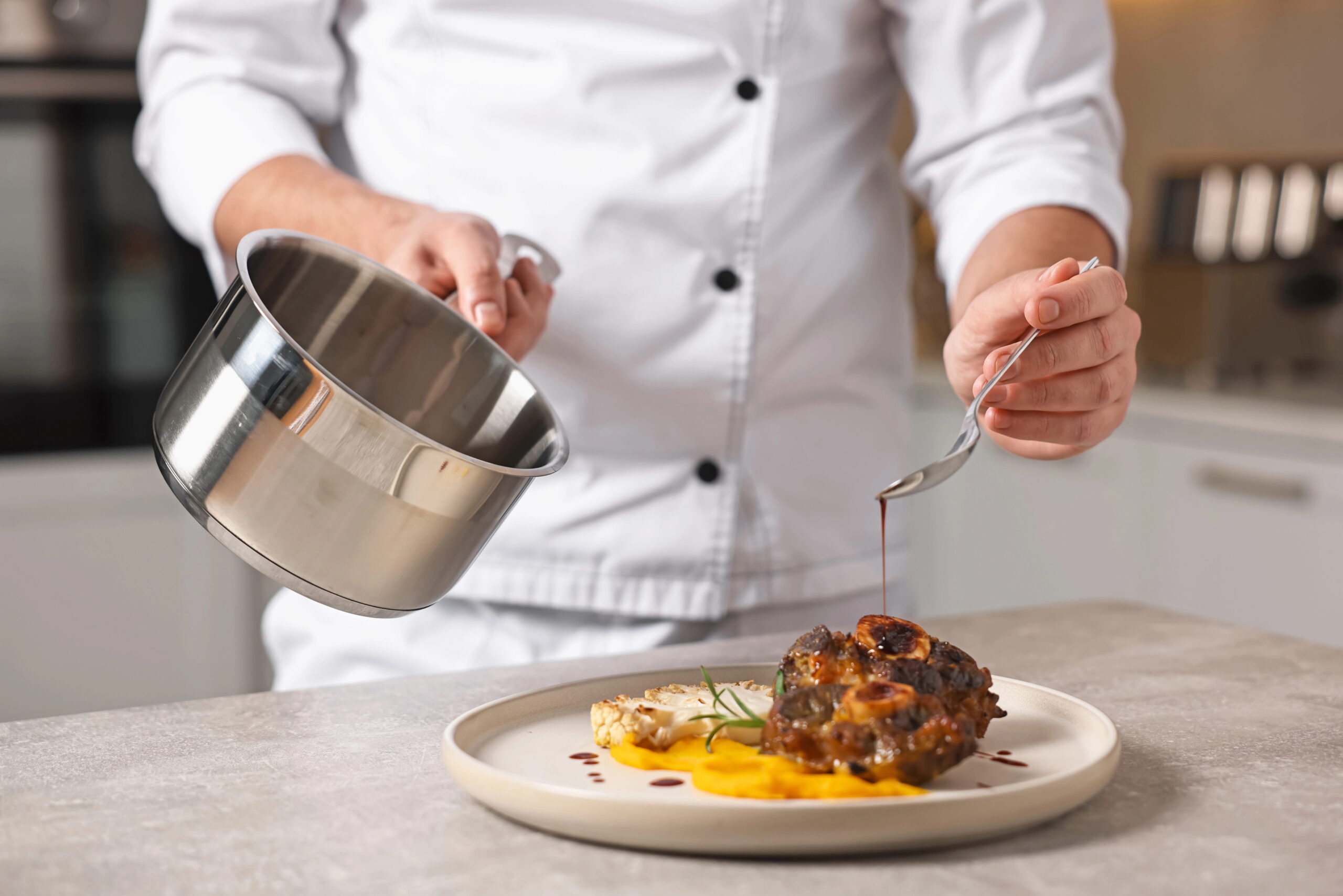
As demand for bowls continues to grow, consumers are clamoring for exciting new flavors, which are often introduced via sauces and drizzles for a visual appeal. Below, we’ve outlined ways for your brand to capitalize on Bowl Culture.
Why Bowls Continue to Resonate
Bowls have serious staying power, especially in the fast-casual space. Like we mentioned above, perceived health and freshness are a major plus for bowl fans. (Think of a veggie-packed grain bowl or a protein-rich beef or chicken bowl for lunch or dinner.)
But while healthy ingredients still matter to bowl fans, flavor and customization is what keeps them coming back. Rice bowls and Mediterranean salad bowls both support global flavor exploration, a major ongoing trend with consumers. Meanwhile, bowls are suitable across dayparts, leading to the rise in hearty breakfast bowls. They continue to resonate with consumers and operators, but that also means the competition is stiff. To stay on top, you have to understand flavor.
The Five Elements Behind Great Bowl Concepts
Part of what makes bowls so appealing to consumers is the potential to mix and match. As long as you have a few key components, you can give consumers the opportunity to create something totally unique – their very own signature dish. To do that, you need to nail five flavor elements:
- A Strong Base Flavor: You have to start with a solid foundation that steers consumers in the direction they want to pursue. This might look like flavored grains like cilantro-lime rice or quinoa, which go a long way to establish a dish’s overall profile. Or, it might look like a base sauce like Tahini, which creates a strong nutty backbone. The base may not be the flashiest part of the dish, but it grounds the bowl.
- A Signature Sauce: Tahini, Garlic-Herb sauces, Miso dressings, Spicy Mayo – a signature sauce acts as a flavor anchor, enhancing every ingredient while differentiating your brand. It also helps consumers feel like they’ve discovered something. They might recommend a signature sauce to a dining companion, saying: “You’ve gotta try it my way.”
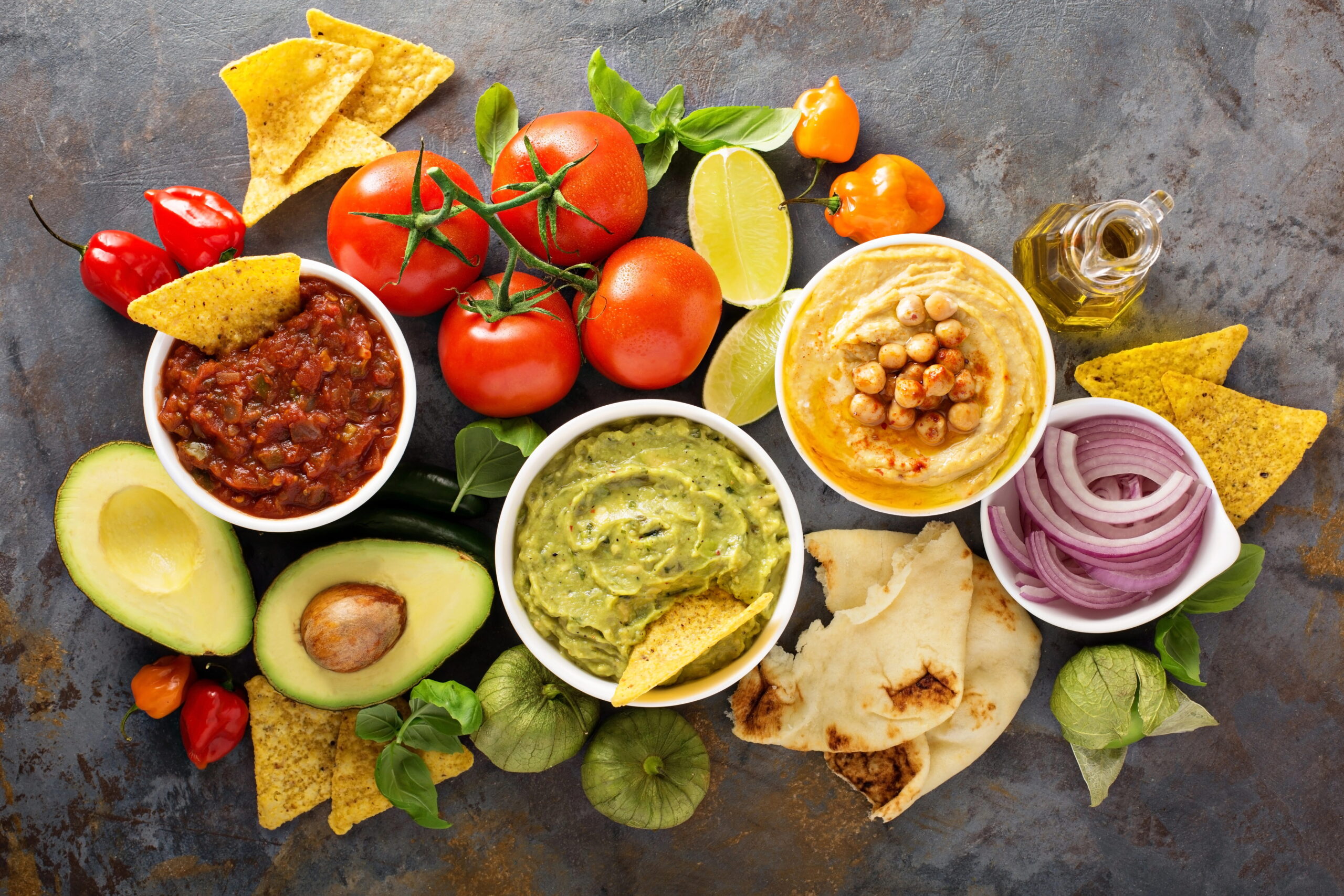
- Global Inspiration: The demand for global flavors is here to stay. They’re popular with consumers, they deliver excitement, and they boost buzz, particularly on social media. Mediterranean, Korean, and Mexican flavors are all a great place to start with this, and lend themselves very well to bowl concepts.
- Texture Contrast: Build out your bowl with something crunchy, crisp, or creamy (or all three). A toothsome bite improves the eating experience and helps flavors sing. Think about a custom Chili Crisp, or a creamy Tahini dressing.
- Finishing Touches: Having a special something available for consumers is how you drive home that premium appeal. Drizzles and finishing sauces can elevate the presentation contributing to that social share-friendly appearance, but they can also confirm that feeling that the consumer has when they’re in control of realizing their own vision.
The Flavor Directions Shaping Bowl Innovation
We’ve talked about the market appeal. We’ve talked about the components. But a fan-favorite bowl is really all about the flavor. Here are a few flavor directions our experts say are shaping bowl innovation:
- Mediterranean Momentum: Bowl consumers are a pretty health-conscious bunch. Mediterranean-inspired sauces like Tahini dressing, Harissa drizzle, bright Garlic Herb sauces, and flavors inspired by Middle Eastern Za’atar are a hit with this crowd.
- Next-Gen Umami: Umami flavors linger on the palate, adding a rich, drool-worthy touch to rice, noodle, or veggie bowls. Tap into modern umami with Miso or mushroom-forward flavors.
- Sweet Heat: Spicy-sweet flavors like Hot Honey or Chili-Maple make a spectacular finishing sauce for a touch of heat that’s still approachable.
- Fresh & Bright: Keep things light with herb-forward or citrusy sauces. Yogurt-style dressings are also an option to add creaminess without weighing down a dish.
Why Sauce Is the Most Important Part of the Bowl
Sauce is often the ingredient that brings a bowl together, tying all the flavors and components into a cohesive experience. It drives customization by allowing consumers to adjust flavor and intensity, while also helping operators create a signature taste that sets their menu apart. Sauces can support limited-time-offer (LTO) innovation, introduce new flavor profiles, and deliver meaningful differentiation without requiring an entirely new menu item. Consumers may choose a bowl format for its health benefits, convenience, or customization, but the sauce is often what ultimately defines the overall experience.
In Bowl Culture, ingredients get consumers to try a bowl. Flavor is what earns the second purchase. But building a signature flavor that stands out, stays on trend, and holds up at scale is easier said than done. Giraffe Foods is the flavor partner that helps brands get there, with signature sauces built on global flavor platforms and distinctive drizzles and dressings. From concept to commercialization, we create flavors that keep consumers coming back to the bowl.
Contact Giraffe Foods to Start Building Your Signature Sauce